

Abdominal Migraine: Causes, Symptoms, and Management
Abdominal migraine is not your typical migraine. Unlike the well-known headache version, abdominal migraine manifests as intense stomach pain. This condition often affects children between the ages of 5 and 9, especially girls, but adults can also experience it.
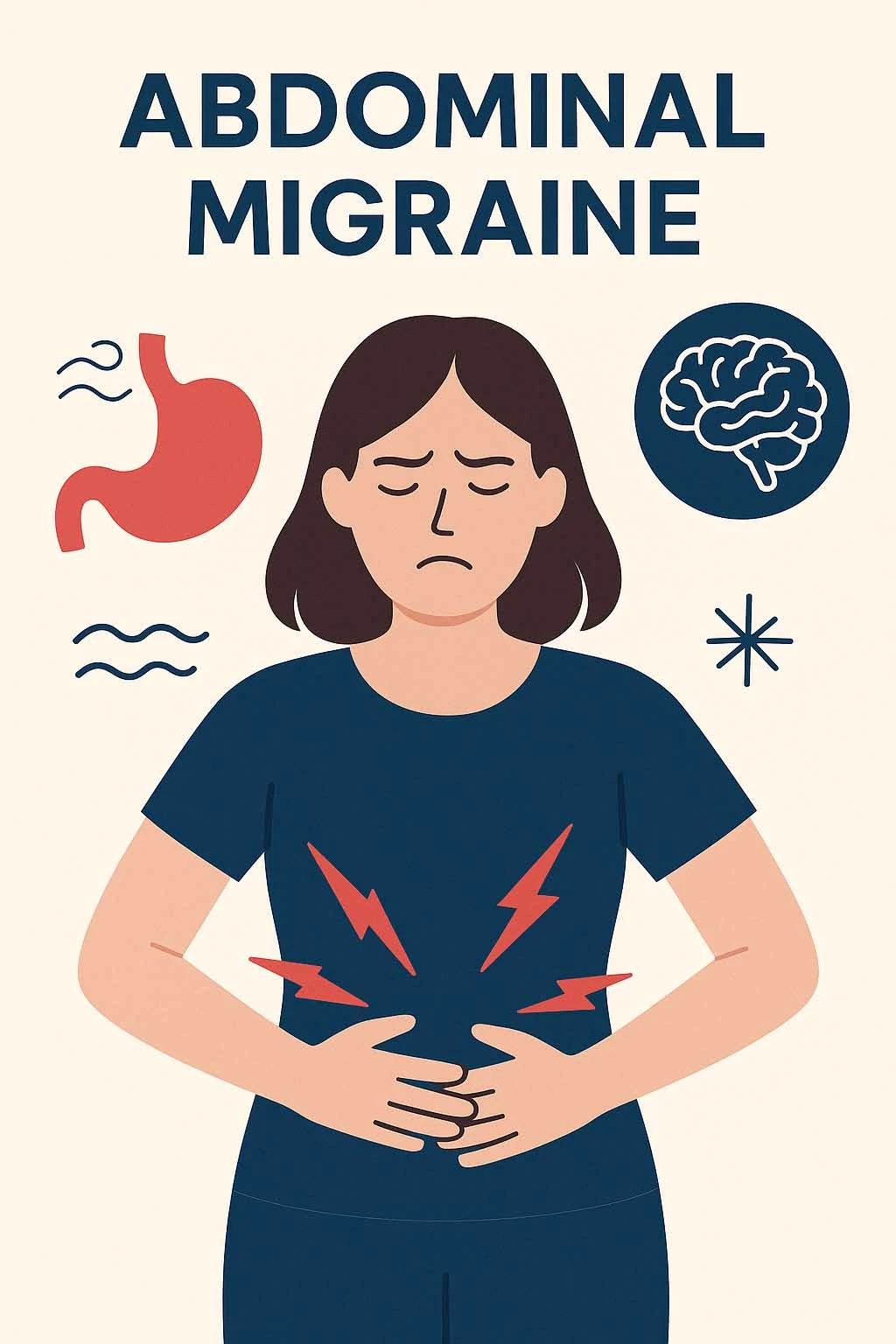
While the exact cause remains uncertain, abdominal migraine is believed to involve the same triggers and neurological pathways as classic migraines. The episodes can cause severe abdominal pain, nausea, cramping, and vomiting, often without any warning.
What Triggers Abdominal Migraine? #
Several factors may lead to abdominal migraine episodes:
- Chemical imbalances in the body involving serotonin and histamine
- Emotional stress or anxiety
- Certain foods: chocolate, processed meats with nitrites, citrus, MSG, caffeine, aged cheese, and artificial additives
- Environmental factors like bright lights or motion during travel
- Poor sleep, long fasting periods, or dehydration
Risk Factors #
Some individuals are more prone to developing abdominal migraines. Common risk enhancers include:
- Family history of migraines
- Irregular sleep routines
- Long gaps between meals
- Travel-induced motion sickness
- Emotional stress at school or home
- Consumption of foods rich in amines and additives
Recognizing the Symptoms #
Symptoms typically appear suddenly and intensely:
- Central abdominal pain (around the belly button)
- Moderate to severe discomfort that may be hard to localize
- Nausea, vomiting, loss of appetite
- Paleness or flushed face
- Fatigue or low energy
- Dark circles under the eyes
These episodes may last from 1 to 72 hours and occur in recurring patterns.
Diagnosis #
Diagnosing abdominal migraine can be challenging, especially in young children who struggle to describe their symptoms. There are no specific diagnostic tests for this condition. Instead, doctors rely on:
- Medical and family history
- Physical examination
- ICHD-III (International Classification of Headache Disorders) criteria
- Exclusion of other conditions (gastrointestinal, neurological, metabolic, etc.)
At least five similar episodes, each lasting 2–72 hours and featuring two or more associated symptoms like nausea or pallor, are typically required for a clinical diagnosis.
Treatment Options #
1. Non-Pharmacological Therapy #
Initial management often focuses on lifestyle and behavioral changes, such as:
- Avoiding known triggers
- Cognitive behavioral therapy or family therapy
- Dietary adjustments: high-fiber diet, lactose-free if intolerant, use of probiotics
2. Medications #
Doctors may prescribe medications to control acute episodes or reduce recurrence:
- NSAIDs or acetaminophen: pain relief
- Triptans: migraine-specific treatment
- Anti-nausea medications: block brain chemicals that cause vomiting
It’s essential to consult a healthcare provider, as these medications may have side effects including dizziness, blurred vision, and fatigue.
3. Lifestyle Adjustments #
To reduce the frequency and severity of attacks:
- Ensure consistent sleep
- Stay hydrated
- Maintain a balanced, fiber-rich diet
- Exercise regularly
- Manage emotional stress
Combining lifestyle changes with medical advice can significantly improve outcomes.
Prevention #
Prevention revolves around identifying and avoiding specific triggers. Parents should monitor:
- Daily diet and routines
- Use of medications or supplements
- Situations causing stress or anxiety
Keeping a detailed diary can help isolate potential culprits and inform treatment plans.
Potential Complications #
If unmanaged, abdominal migraine can evolve into classic migraine headaches during adulthood. In some individuals, the abdominal symptoms persist even as they grow older.
References:
- Yale Medicine. Abdominal Migraine: Symptoms, Diagnosis & Treatment.
- WebMD. Abdominal Migraines.
- American Migraine Foundation. Abdominal Migraine.
- Cleveland Clinic. Abdominal Migraine.
- Medical News Today. What to Know About Abdominal Migraine.