

Diabetes is a condition that necessitates careful consideration of dietary choices to maintain stable blood glucose levels and avoid potential complications. This article explores the types of foods that are suitable for diabetics and offers guidance on how to incorporate them into a daily eating routine. By understanding these dietary guidelines, individuals with diabetes can better manage their condition and enhance their quality of life.
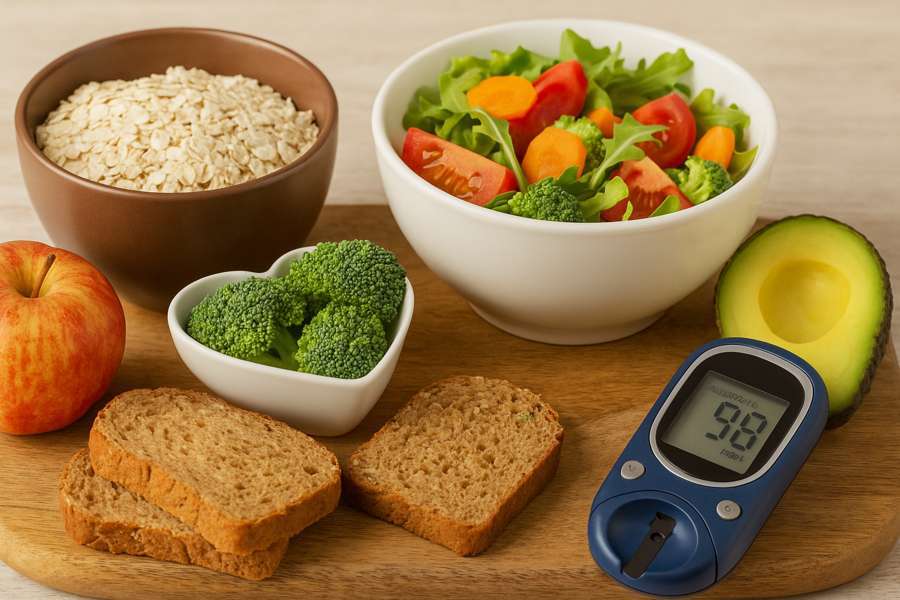
Understanding Diabetes and Its Impact #
Diabetes is a condition characterized by elevated blood glucose levels. For diagnosis, a fasting blood sugar level over 126 mg/dL or a non-fasting level exceeding 200 mg/dL indicates diabetes. Poorly controlled diabetes can lead to severe complications such as vision impairment, kidney failure, heart disease, and nerve damage.
The onset of diabetes is commonly linked to sedentary lifestyles and poor dietary habits. Therefore, managing diabetes effectively necessitates adopting a healthy lifestyle, including mindful eating practices.
Caloric Intake and Meal Scheduling for Diabetics #
One crucial aspect of managing diabetes is regulating caloric intake. Generally, it is recommended to consume 25-30 calories per kilogram of ideal body weight daily. For example, an individual with a target weight of 50 kilograms should aim for 1,250-1,500 calories per day.
It’s important to note that ideal body weight may differ from current weight. For those with diabetes who are also obese, weight reduction is crucial to prevent complications. The recommended caloric intake for obese individuals should be calculated based on previous consumption and reduced by 500 calories per day.
Adhering to a structured meal schedule is also essential. Diabetics should aim to have three main meals and two to three smaller, snack-like meals each day, with approximately 2.5-3 hours between each eating session.
Recommended Foods for Diabetics #
Selecting appropriate foods is vital for diabetics, requiring careful consideration of what to include and avoid in a diet. Here is a breakdown of key nutritional components that diabetics should focus on:
1. Carbohydrates #
Carbohydrate intake should consist of 45-65% of total daily calories, with a minimum of 130 grams per day. It’s essential to choose complex carbohydrates that are high in fiber, such as potatoes, vegetables, fruits, whole grains, corn, and legumes. Simple carbohydrates, such as fruit juices, refined sugar, and pastries, should be avoided. If needed, sugar intake should be limited to 5% of daily calories, equivalent to around four teaspoons per day. Low-calorie artificial sweeteners can be used, provided they are within safety limits.
2. Dietary Fiber #
A diet rich in fiber can assist diabetics in managing blood sugar levels. A recommended intake is five servings of fruits and vegetables per day, each serving being approximately one small bowl. Fiber-rich foods suitable for diabetics include avocados, oatmeal, spinach, broccoli, apples, pears, bananas, almonds, and pistachios.
3. Protein #
Protein is another vital nutrient for diabetics, constituting 10-35% of daily caloric intake. Choose good quality protein sources like fish, eggs, skinless chicken, lean beef, tofu, tempeh, legumes, and low-fat dairy products.
4. Fats #
Fat consumption should be 20-25% of total daily calories. Opt for healthy fats found in fish or plant-based oils and avoid saturated fats typically present in fried foods and animal fat.
Salt intake should be limited to a maximum of one teaspoon per day, or about 2,300 mg of sodium. Hidden sources of sodium, like MSG and preserved foods, should be avoided.
Conclusion #
Diabetes can lead to complications that diminish quality of life, but these can be mitigated by maintaining normal blood sugar levels through medication and a healthy lifestyle. Diabetics must be cautious about food choices and portion sizes. Consulting a doctor or nutritionist can provide personalized advice for meal planning and dietary adjustments.
Written by: Dr. Monique C. Widjaja, MGizi, SpGK
Last updated: August 10, 2022